When it comes to integrating decorative faux rocks, a pool waterfall, or a rocky garden feature, two techniques can be considered: traditional sprayed concrete and fiberglass-reinforced polyester resin composite.
These two processes follow very different manufacturing and installation logics. Concrete allows for the creation of massive mineral structures directly on site. Reinforced polyester, on the other hand, allows for the design of lightweight, molded, custom-shaped decorative rock features.
At Poly Rock Concept, we have chosen to specialize in creating rock decors from reinforced polyester. Weight, mechanical behavior, exposure to water and installation conditions: here are the main differences between these two techniques.
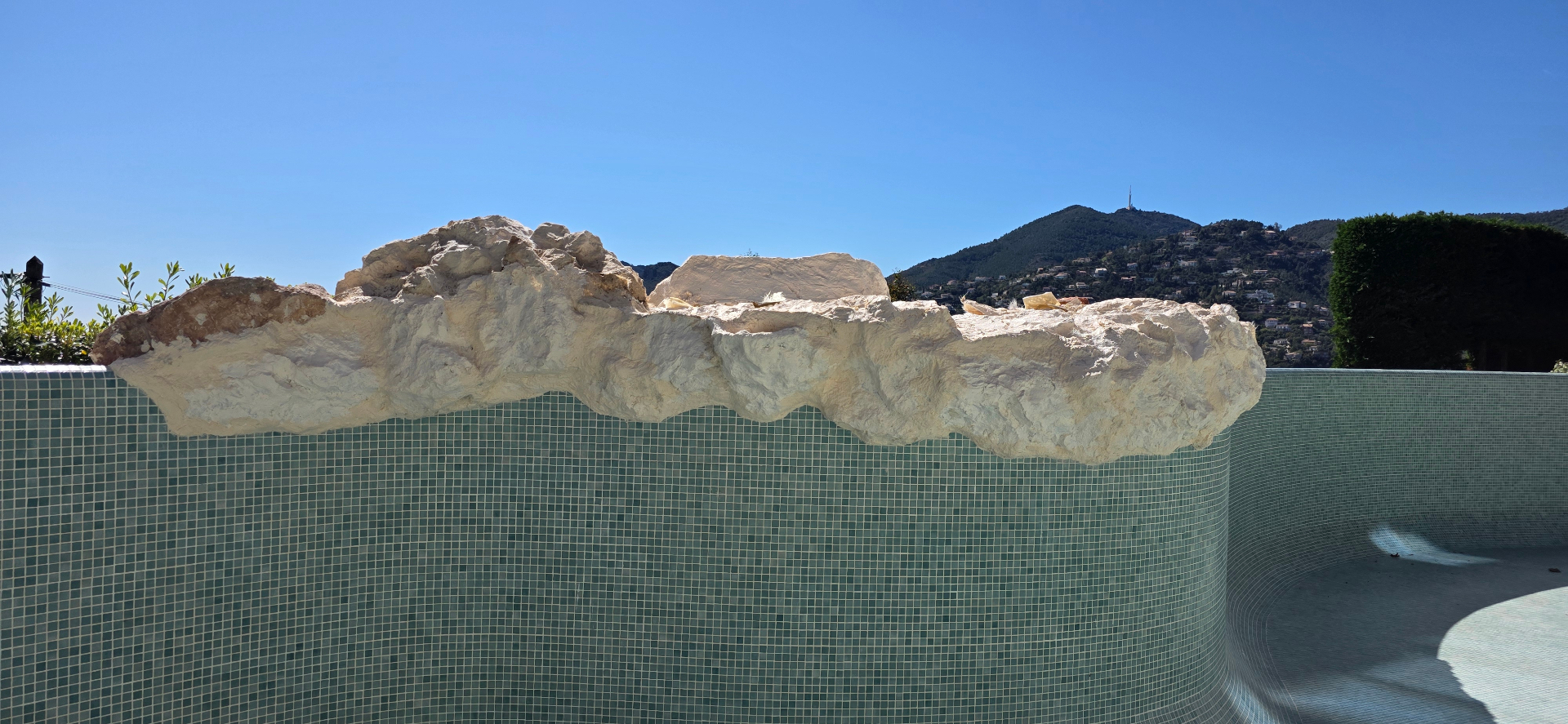
Weight: a major difference between the two techniques
Sprayed concrete requires applying a significant amount of material onto a suitable frame. Depending on the size and design of the feature, the weight of the structure can become substantial and must be considered from the project design stage.
This constraint can notably influence the design of supports and installation conditions around a pool, on a terrace, or in a hard-to-access space.
Fiberglass-reinforced polyester offers a different approach. The combination of polyester resin and fiberglass reinforcement makes it possible to create decorative elements with a particularly attractive weight-to-strength ratio.
The decors can therefore be manufactured as panels or modules and then fitted onto suitable existing supports. For the client, this lightness makes handling easier and opens up projects in spaces where installing a massive mineral decor would be more complex.
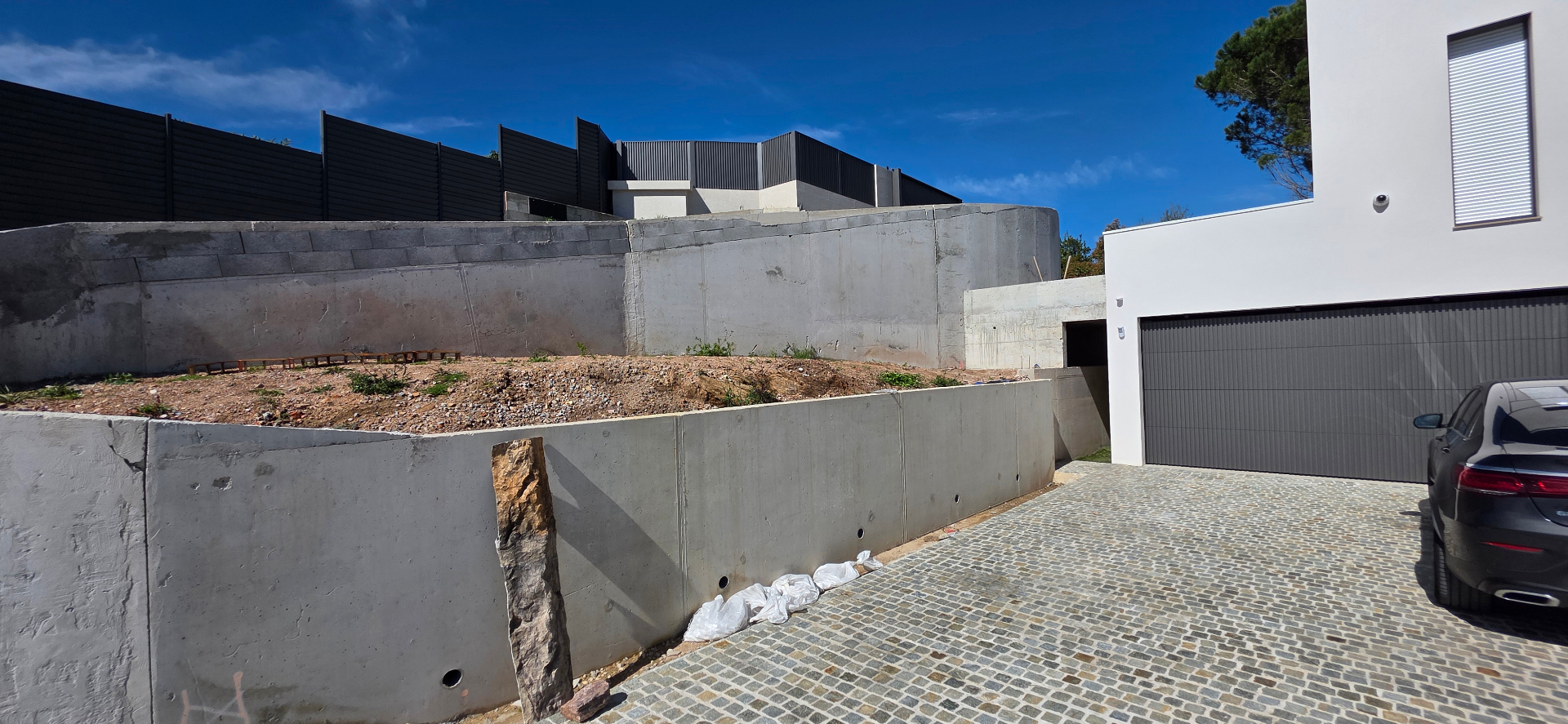
Composite flexibility and behavior under micro-movements
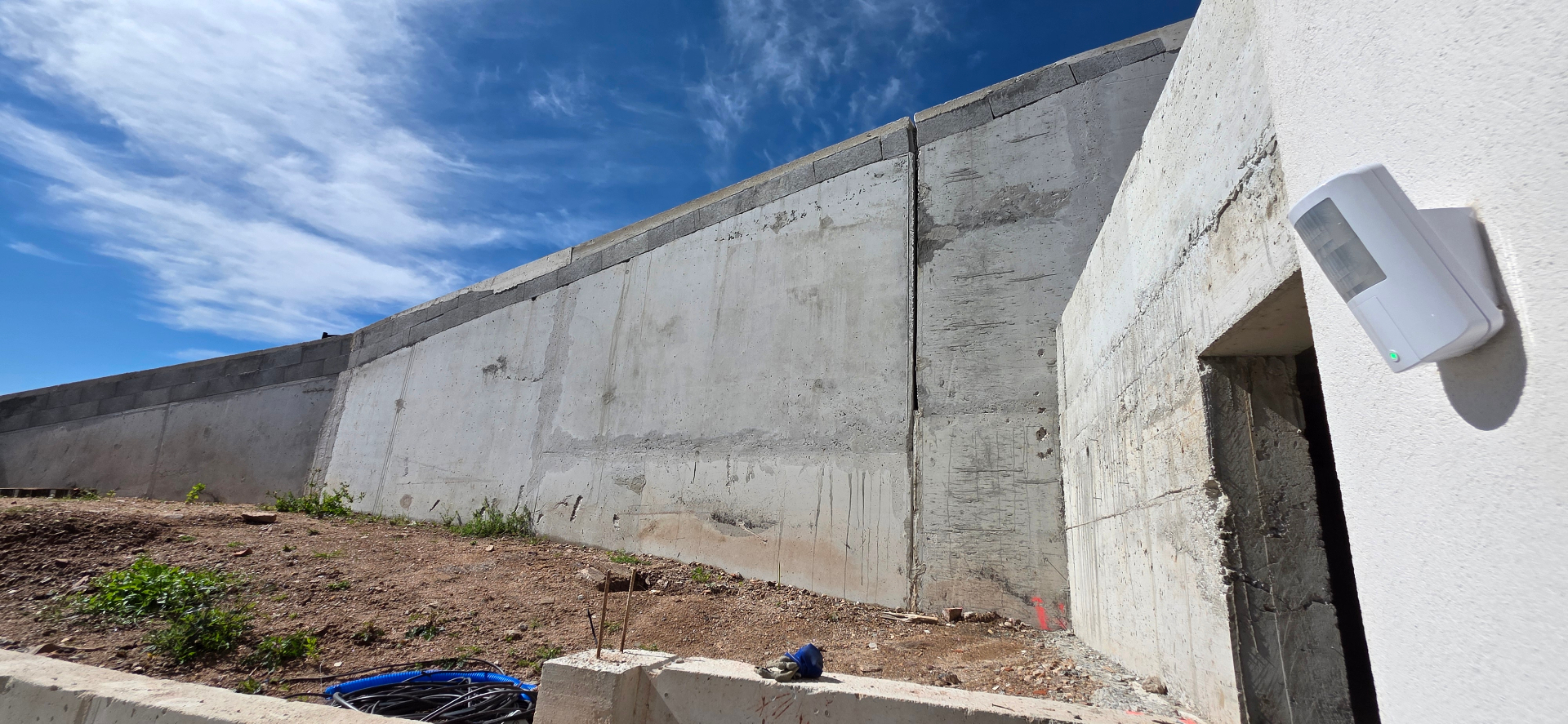
Concrete is a rigid mineral material. Like many cement-based structures, its behavior depends notably on the design of the support, the reinforcement, the installation and the stresses to which the structure is exposed. Thermal variations and certain movements in the support can promote cracking when not properly anticipated.
Fiberglass-reinforced polyester has a different mechanical behavior. The fiberglass contributes to reinforcing the composite and gives it mechanical strength suited to creating lightweight decorative panels and elements. This technology is particularly interesting for creating custom, non-structural rock cladding.
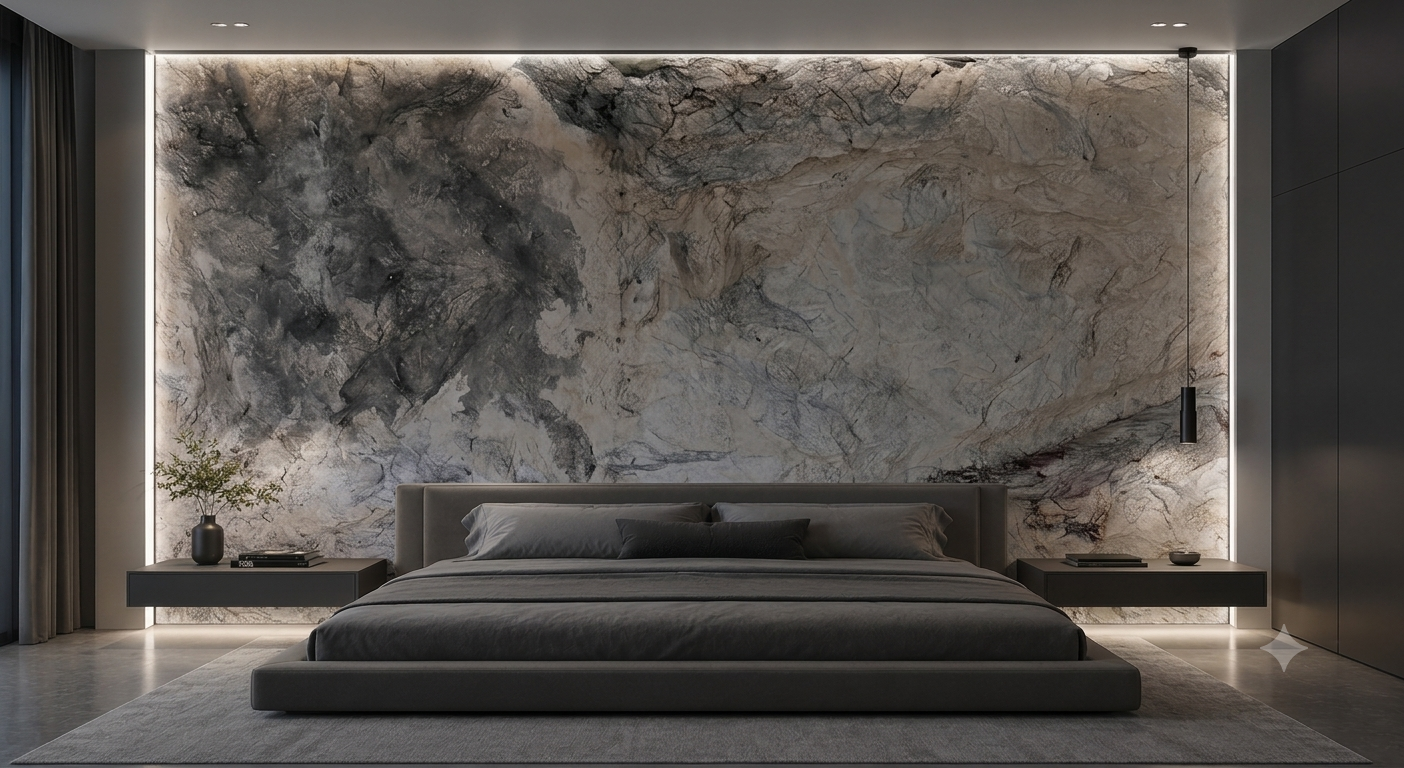
At Poly Rock Concept, elements are designed based on the existing support and the desired decor. The goal is to create a lightweight decorative shell reproducing the relief and appearance of natural stone.
Water, pools and outdoor environments
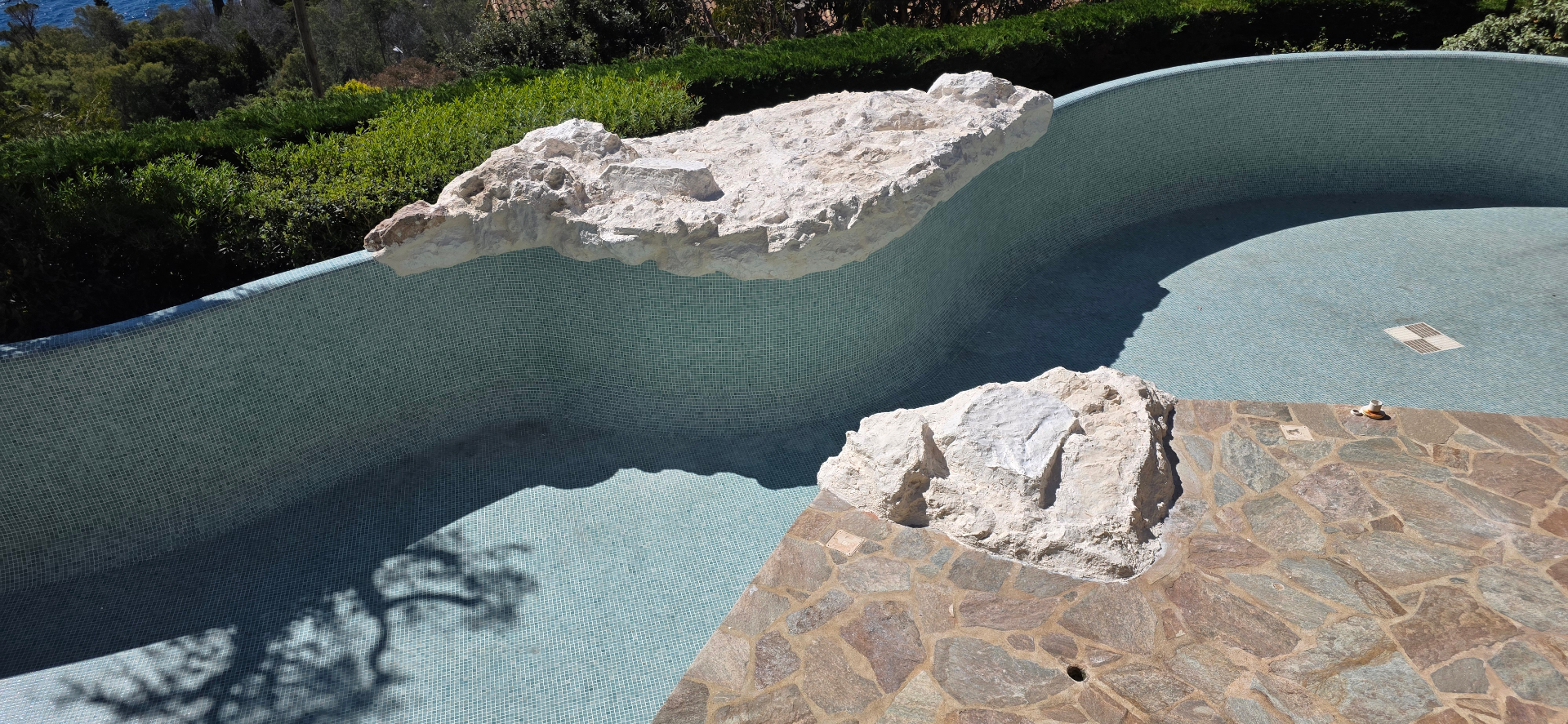
Rock decors installed around a pool, pond or waterfall are exposed to specific conditions. Water splashes, humidity, sun and temperature variations must be taken into account when choosing materials and designing the decor.
Concrete is a naturally porous material whose behavior with water depends on its formulation and the protection or finishing systems used.
Fiberglass-reinforced polyester is widely used in manufacturing composite parts for various technical environments. For rock decors, this technology makes it possible to manufacture lightweight elements suited to indoor or outdoor decorative use, provided the design, installation and finishes are suited to the project's environment.
Poly Rock Concept notably creates decorative cladding for pools, ponds, artificial waterfalls and landscaping projects in PACA and along the Côte d'Azur.
An installation different from a traditional masonry site
Creating a sprayed concrete decor generally involves manufacturing directly on site. Reinforcement frames, material spraying and shaping the relief are all done on location.
Reinforced polyester allows for a different organization. Depending on the project, a significant part of the elements can be prepared and manufactured before installation. The panels and modules are then positioned on the suitable existing supports.
Joints, relief work and patinas create a visual continuity between the different elements. This method helps limit certain constraints related to installing a massive mineral decor directly on site.
Comparison table: sprayed concrete vs. reinforced polyester
| Criterion | Sprayed concrete | Fiberglass-reinforced polyester |
|---|---|---|
| Weight | Mineral structure that can be quite heavy. | Lightweight decorative elements. |
| Mechanical behavior | Rigid material. Behavior depends on the support and the design of the structure. | Reinforced composite suited to creating lightweight decorative panels. |
| Installation | Manufacturing mainly carried out directly on site. | Panels and modules can be prefabricated. |
| Site access | Installation may require suitable site equipment. | Handling made easier by the light weight of the elements. |
| Creating the relief | Material shaped on site. | Molding, shaping and assembly of custom decors. |
| Use | Mineral structures and massive decors. | Non-structural indoor and outdoor decorative cladding. |
Mineral structure that can be quite heavy.
Lightweight decorative elements.
Rigid material. Behavior depends on the support and the design of the structure.
Reinforced composite suited to creating lightweight decorative panels.
Manufacturing mainly carried out directly on site.
Panels and modules can be prefabricated.
Installation may require suitable site equipment.
Handling made easier by the light weight of the elements.
Material shaped on site.
Molding, shaping and assembly of custom decors.
Mineral structures and massive decors.
Non-structural indoor and outdoor decorative cladding.
The Poly Rock Concept verdict
Choosing a technique always depends on the nature of the project, the existing support and the desired result. Sprayed concrete still has its place for certain massive mineral structures.
Fiberglass-reinforced polyester follows a different approach: creating lightweight, custom-shaped decorative rock features designed to blend into an existing environment. This is the technology we chose to develop at Poly Rock Concept.
Our work combines composite manufacturing with artisanal relief and patina work. Each project is studied according to its environment to create a natural stone imitation consistent with the architecture and landscape.